
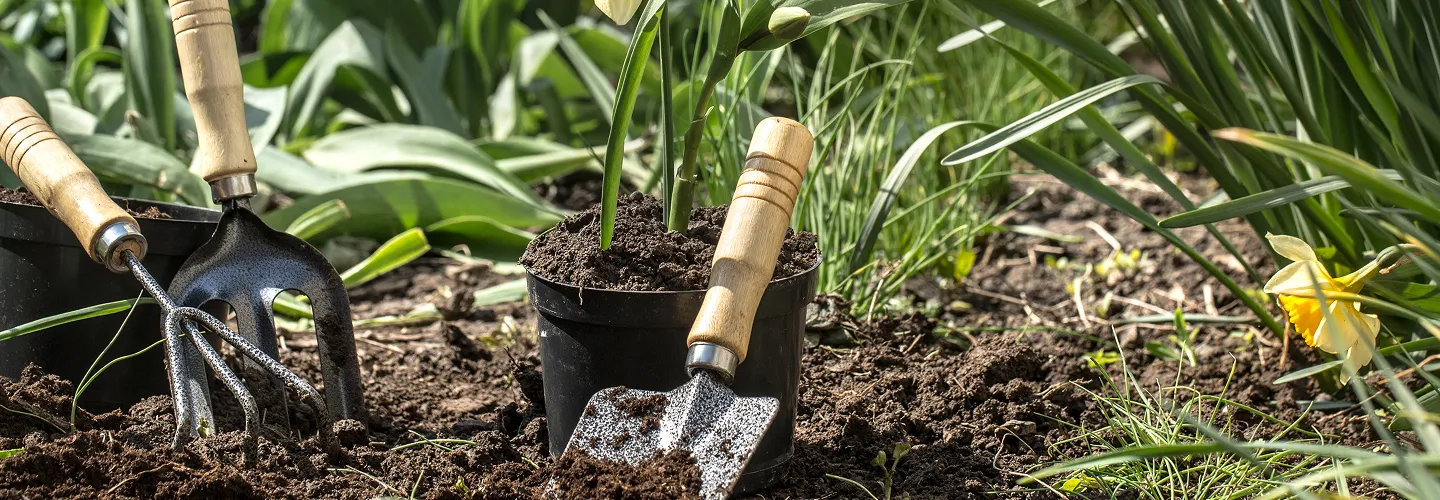
Heritage Bay Green Waste Disposal Services
Choose our Green Waste Disposal service for reliable, environmentally responsible removal that keeps your property pristine while supporting a healthier planet.
Get a Free QuoteOur Heritage Bay Landscaping & Yard Care Services
When to Schedule Green Waste Disposal in Heritage Bay, Florida – Seasonal Guide
In Heritage Bay, Florida, the timing of green waste disposal is closely tied to our unique subtropical climate and the rhythms of local landscaping needs. The optimal periods for scheduling green waste removal are typically late winter through early spring and again in late summer, just before the peak of hurricane season. These windows align with the end of our mild frost period and the start of rapid plant growth, as well as post-storm cleanup needs. Neighborhoods near the Heritage Bay Golf & Country Club and along Immokalee Road often experience increased yard debris after seasonal storms or during heavy pruning months.
Local environmental factors such as high humidity, sandy soils, and dense shade from mature oaks and palms influence how quickly organic debris accumulates and decomposes. Homeowners should also be mindful of municipal collection schedules and any restrictions, which can be found on the official town website. By understanding these local patterns, you can plan green waste disposal to keep your property healthy and compliant with community guidelines.
Local Factors to Consider for Green Waste Disposal in Heritage Bay
- Tree density and types (e.g., palms, oaks, and pines)
- Proximity to water features or preserves
- Seasonal precipitation and hurricane risk
- Soil drainage and composition
- Municipal collection schedules and restrictions
- Shade coverage and sun exposure
- Neighborhood-specific landscaping ordinances
Benefits of Green Waste Disposal in Heritage Bay
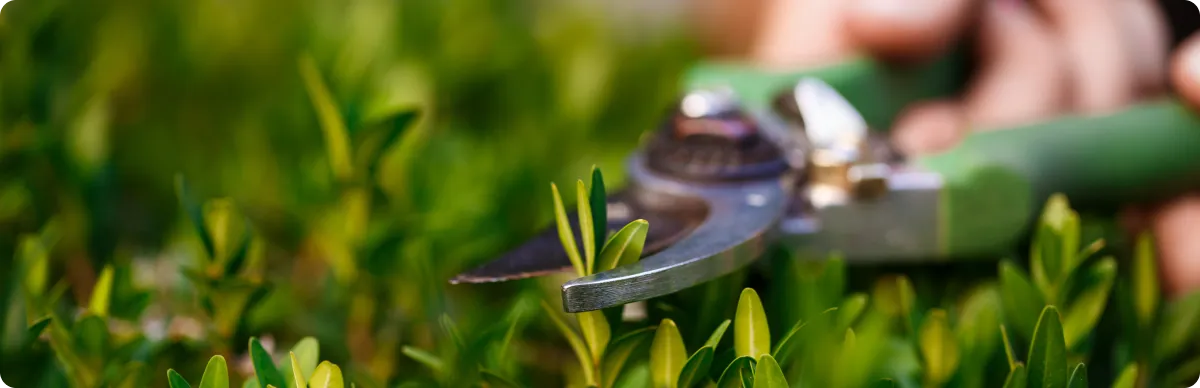
Eco-Friendly Landscaping Solutions
Efficient Green Waste Removal
Promotes Healthy Plant Growth
Reduces Landfill Waste
Enhances Curb Appeal
Supports Sustainable Practices
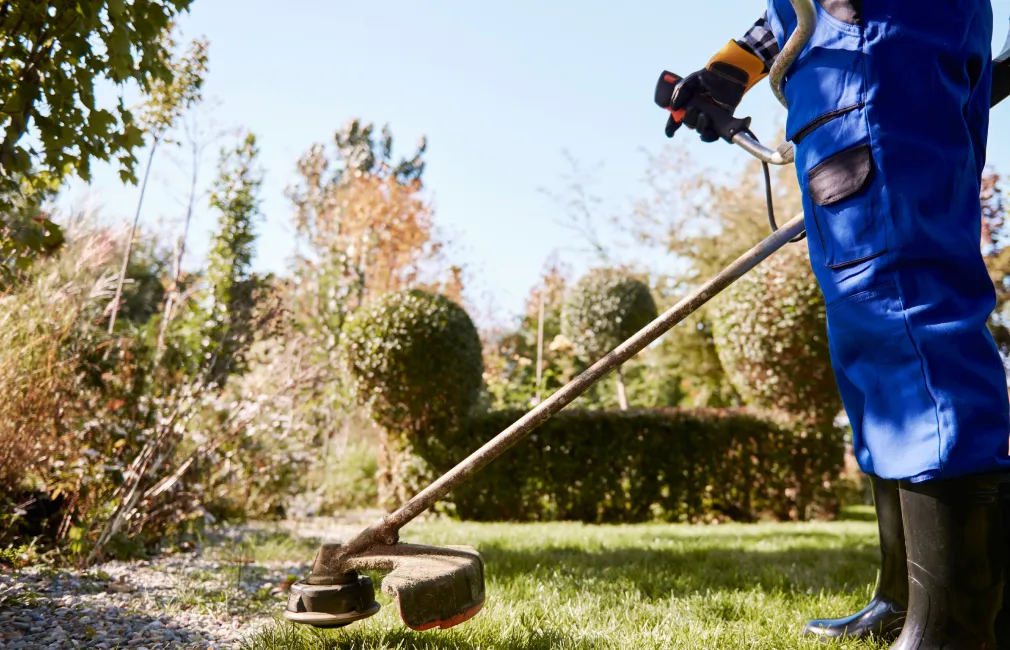
Heritage Bay Green Waste Disposal Types

Grass Clippings
-
Tree Branches
-
Shrub Trimmings
-
Leaves and Foliage
-
Garden Weeds
-
Palm Fronds
-
Mulch and Wood Chips
Our Green Waste Disposal Process
Collection of Green Waste
Sorting and Separation
Transport to Disposal Facility
Eco-Friendly Processing
Why Choose Heritage Bay Landscape Services
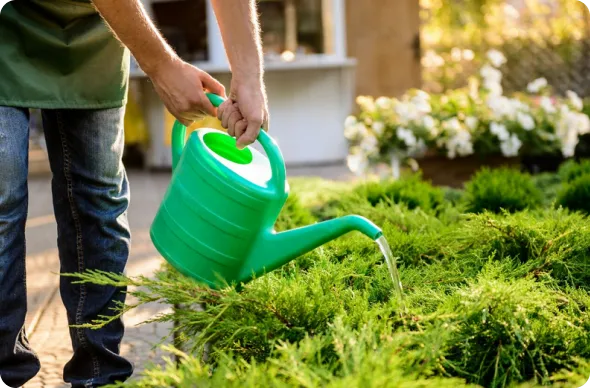
-
Heritage Bay Homeowners Trust Us
-
Expert Lawn Maintenance
-
Reliable Irrigation Solutions
-
Comprehensive Seasonal Cleanups
-
Competitive Pricing
-
Professional and Courteous Team
-
Satisfaction Guarantee
Coordinating Green Waste Disposal Through Heritage Bay's District and County Services
Heritage Bay operates as a Community Development District (CDD) within unincorporated Collier County, which means green waste disposal coordination involves both the district's internal management and Collier County's solid waste and environmental programs. Residents and property managers should confirm current vegetative debris collection schedules, accepted materials, and container or bundling requirements directly through the CDD and the county's waste management division. Green waste generated from routine landscape maintenance—including grass clippings, palm fronds, shrub trimmings, and small branches—must be separated from household refuse and construction debris. Commercial landscape contractors working within Heritage Bay should verify whether the county requires separate hauling arrangements for volumes exceeding residential curbside limits.
- Confirm pickup schedules and bundling specifications through the Heritage Bay CDD before placing debris curbside
- Separate green waste from construction materials, treated lumber, and non-organic refuse
- Verify whether commercial-volume loads require direct transport to a Collier County transfer or disposal facility
- Contact Collier County's transportation and public works division for questions about right-of-way debris placement
Heritage Bay Community Development District
Official Website: Heritage Bay Community Development District
Collier County Transportation Management
Official Website: Collier County Transportation Management
How Heritage Bay's Subtropical Climate and Soils Affect Green Waste Volume
Heritage Bay sits within the Gulf Coast Florida / South Florida subtropical zone, classified under USDA Hardiness Zone 10a. This climate produces aggressive year-round vegetative growth, with the heaviest biomass output occurring during the wet season from roughly late May through October. Summer rainfall frequently exceeds 50 inches annually in Collier County, driving rapid turf growth, palm frond drop, and prolific shrub expansion that generate substantial green waste on a recurring basis.
- Sandy, poorly drained soils: Much of Heritage Bay was developed on sandy fill and naturally occurring Immokalee and similar flatwoods soil series, which drain quickly at the surface but sit above a seasonally high water table, creating saturated conditions that accelerate organic decomposition and odor if green waste is stockpiled
- Storm-season debris surges: Tropical storms and summer thunderstorms produce sudden volumes of downed branches, palm fronds, and leaf litter that require prompt removal to prevent blockage of swales, retention ponds, and storm-drain inlets
- Heat-driven decomposition: Ambient temperatures regularly exceeding 90°F from June through September cause piled green waste to decompose rapidly, attracting pests and generating runoff if left near drainage features
Residents should plan for more frequent disposal cycles during the wet season rather than allowing organic material to accumulate on lots or near community water-management infrastructure.
Collier County Regulations Governing Green Waste Disposal Near Heritage Bay's Water Features
Heritage Bay's network of retention ponds, interconnected swales, and stormwater management basins falls under both the CDD's maintenance authority and Collier County's broader environmental compliance framework. Green waste must not be deposited into, or allowed to migrate toward, any stormwater conveyance feature. Decomposing organic material introduces excess nutrients into surface water, contributing to algal growth and degrading water quality in ways that conflict with the Florida DEP NPDES Stormwater Program and the federal Clean Water Act.
- Collier County's pollution control division addresses complaints related to debris or organic material entering stormwater systems; verify current reporting procedures through their office
- Landscape contractors should ensure that clippings, trimmings, and chipped material are contained during transport and not discharged onto roadways, swale edges, or near lake banks
- Properties adjacent to preserve areas or wetland buffers may face additional restrictions on vegetation clearing and disposal; confirm requirements through Collier County Environmental Landscaping
Collier County Pollution Control
Official Website: Collier County Pollution Control
For properties near designated conservation or wetland areas, the UF/IFAS guide to Protecting Florida's Water Resources provides additional context on responsible organic material management near sensitive water bodies.
Timing and Methods for Professional Green Waste Disposal in Heritage Bay
Effective green waste disposal in Heritage Bay requires attention to seasonal timing, material preparation, and hauling logistics suited to the community's layout and climate conditions.
- Bundling and sizing: Branches and woody material should be cut to lengths and bundle sizes that comply with the current collection specifications set by the waste hauler serving the community; verify maximum dimensions and weight limits before placing material curbside
- Wet-season scheduling: Schedule major pruning, hedge trimming, and palm-frond removal during drier windows when possible to reduce the weight and volume of saturated material, and to minimize the risk of organic runoff during active rain events
- Chipping and mulching on-site: Where permitted by the CDD, chipping woody debris on-site and using it as landscape mulch reduces hauling volume and returns organic matter to beds—provided the material is free of disease and placed away from drainage structures
- Post-storm protocols: After tropical weather events, prioritize clearing debris from swale inlets, retention-pond banks, and roadway shoulders before addressing cosmetic cleanup; this protects drainage function and reduces flood risk
Contractors and property managers should coordinate large-scale disposal projects with the Heritage Bay CDD to avoid conflicts with community maintenance schedules and gate-access logistics. The Florida County Forester Directory can provide guidance on managing large woody debris from storm-damaged trees.
What Neighborhoods Do We Serve Throughout Heritage Bay, FL?
- Heritage Bay Golf and Country Club Estates: Properties along the golf course corridors generate significant palm frond and ornamental shrub waste, with disposal logistics shaped by narrow lot access and proximity to maintained turf areas
- Terrace at Heritage Bay: Attached-home sections with shared landscape areas where green waste coordination typically falls under HOA or CDD-managed maintenance contracts
- Veranda at Heritage Bay: Villa-style residences with compact landscaped lots that produce moderate but consistent volumes of hedge trimmings and ornamental bed debris throughout the growing season
- Palazzo at Heritage Bay: Larger single-family homesites with mature plantings and greater canopy coverage, resulting in heavier seasonal leaf and branch drop requiring regular disposal scheduling
- Heritage Bay Lakefront Properties: Homes bordering retention lakes and ponds where green waste must be carefully managed to prevent organic material from entering the stormwater management system