
Heritage Bay Lawn Mowing Services
Choose our lawn mowing service for reliable, professional results that keep your yard looking its best all season long. We combine local expertise, attention to detail, and a commitment to customer satisfaction to give you a lush, healthy lawn without the hassle.
Get a Free QuoteOur Heritage Bay Landscaping & Yard Care Services
When to Schedule Lawn Mowing in Heritage Bay, Florida – Seasonal Guide
In Heritage Bay, Florida, the timing of your lawn mowing routine is crucial for maintaining a healthy, vibrant yard. The region’s subtropical climate means that grass grows vigorously from late spring through early fall, with peak growth typically occurring between April and October. Local neighborhoods like The Club at Heritage Bay and areas near the Cypress Woods Golf & Country Club often experience rapid turf growth due to high humidity and frequent summer rains. However, the risk of drought during late summer and occasional cold snaps in winter—when frost can occur—require careful scheduling to avoid stressing your lawn.
Environmental factors unique to Heritage Bay, such as sandy soils, dense shade from mature oaks, and the proximity to wetland preserves, all influence the best times for mowing. For example, lawns in shaded areas or near the Heritage Bay Golf Course may need less frequent mowing due to slower growth, while properties exposed to full sun and higher precipitation will require more regular attention. Always consider local guidelines and resources, such as those provided by the Town of Sudbury, to stay informed about any municipal restrictions or recommendations.
Local Factors to Consider for Lawn Mowing in Heritage Bay
- Tree density and shade coverage
- Soil type (sandy vs. loamy)
- Seasonal precipitation and drought risk
- Frost dates and temperature fluctuations
- Terrain and drainage patterns
- Proximity to wetlands or preserves
- Municipal restrictions or community guidelines
Benefits of Lawn Mowing in Heritage Bay

Professional Lawn Care Expertise
Consistent and Reliable Scheduling
Enhanced Curb Appeal
Time and Effort Savings
Healthier, Greener Lawns
Eco-Friendly Landscaping Practices
Heritage Bay Lawn Mowing Types

Standard Lawn Mowing
-
Mulching Mower Service
-
Bagging and Clipping Removal
-
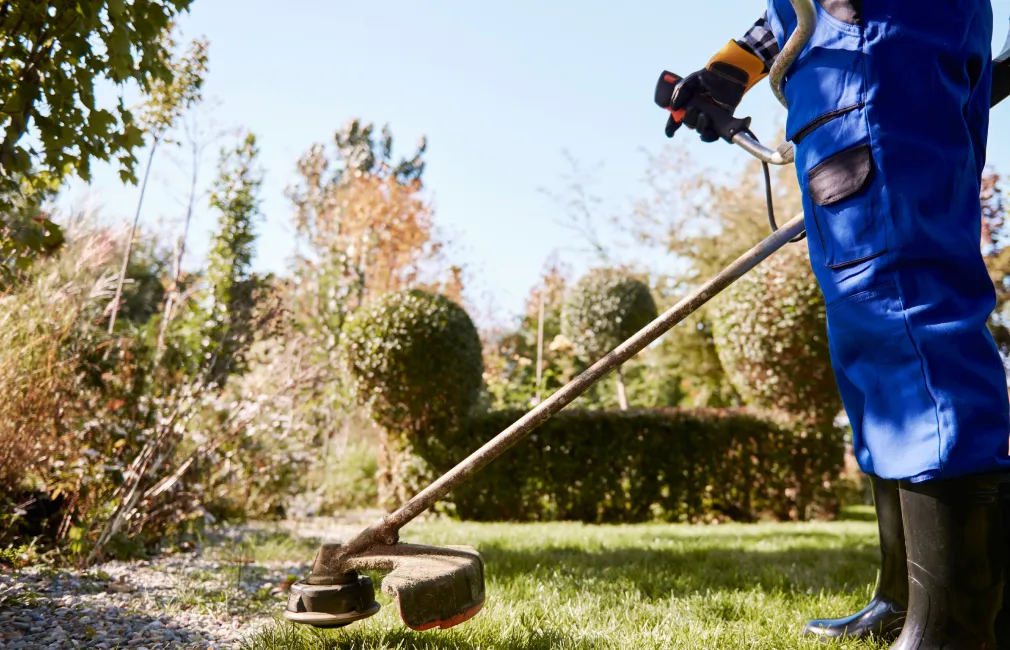
Edging and Trimming
-
Seasonal Lawn Scalping
-
Patterned Mowing
-
Commercial Property Mowing
Our Lawn Mowing Process
Site Evaluation
Equipment Preparation
Mowing Execution
Edging and Trimming
Cleanup
Why Choose Heritage Bay Landscape Services

-
Heritage Bay Homeowners Trust Us
-
Expert Lawn Maintenance
-
Reliable Irrigation Solutions
-
Comprehensive Seasonal Cleanups
-
Competitive Pricing
-
Professional and Courteous Team
-
Satisfaction Guarantee
Coordinating Lawn Mowing Services with Heritage Bay's Community District and Collier County
Heritage Bay is a master-planned community governed by its own Community Development District (CDD), which oversees common-area landscape maintenance, stormwater infrastructure, and community standards. Residents and property managers should coordinate lawn mowing activities with the CDD to ensure compliance with community-level landscape expectations, particularly regarding mowing schedules on lots adjacent to shared retention ponds, lakes, and drainage swales. Collier County also maintains oversight of environmental landscaping standards that apply to properties throughout the unincorporated area, including Heritage Bay. Grass clippings, vegetative debris, and sediment must not be discharged into stormwater conveyances, curb inlets, or canal banks during or after mowing operations.
- Confirm community-specific mowing frequency and turf height expectations through the Heritage Bay CDD before establishing a maintenance schedule
- Direct grass clippings away from retention ponds, lake edges, swales, and storm-drain inlets to prevent nutrient loading
- Coordinate vegetative debris removal with Collier County's curbside collection guidelines; verify current pickup schedules rather than assuming fixed days
Heritage Bay Community Development District
Official Website: Heritage Bay Community Development District
Collier County Environmental Landscaping
Official Website: Collier County Environmental Landscaping
How Heritage Bay's Gulf Coast Climate and Soils Shape Lawn Mowing Practices
Heritage Bay sits within Southwest Florida's Gulf Coast subtropical zone, classified under USDA Hardiness Zone 10a, where warm-season turfgrasses grow aggressively from late spring through early fall. The community's soils are predominantly sandy and fill-based, characteristic of planned developments built on graded land in Collier County. These soils drain rapidly but retain little moisture or nutrients, which directly affects mowing frequency and turf health.
- Wet-season growth surge: From June through October, Heritage Bay receives the bulk of its annual rainfall—often exceeding 50 inches—driving rapid turf growth that may require weekly or even twice-weekly mowing to prevent scalping and thatch accumulation
- High humidity and fungal pressure: Persistent humidity promotes fungal diseases in St. Augustinegrass and zoysiagrass; mowing with sharp blades and avoiding wet-blade cutting reduces disease transmission
- Sandy soil drainage: Fast-draining soils mean turf recovers quickly from foot traffic but also dries out rapidly during dry-season months (November through May), requiring irrigation coordination with mowing schedules
- High water table: Many lots in Heritage Bay sit near retention lakes and interconnected stormwater systems, creating saturated root zones that can cause rut damage from mower wheels if mowing occurs too soon after heavy rain
Guidance from UF/IFAS Lawn Maintenance and Care provides regionally appropriate mowing height recommendations for the warm-season turf species common throughout Southwest Florida communities.
Navigating Heritage Bay's Stormwater and Landscape Compliance Requirements for Mowing
Lawn mowing in Heritage Bay falls under both Collier County's environmental regulations and the community's internal landscape standards. Collier County enforces stormwater pollution prevention measures consistent with the Florida DEP NPDES Stormwater Program, which prohibits the discharge of yard waste, clippings, and sediment into the municipal separate storm sewer system (MS4). Because Heritage Bay's internal lake and retention pond network connects to the broader Collier County drainage system, mowing crews must exercise particular care near water features.
- Grass clippings blown into lakes, retention ponds, or swales contribute phosphorus and nitrogen that fuel algal blooms and degrade water quality; operators should direct discharge away from all water bodies
- Collier County's Pollution Control section addresses environmental complaints related to landscape runoff and debris discharge into stormwater infrastructure
- Any pesticide or herbicide application performed in conjunction with mowing must comply with FDACS Pesticide Applicator Licensing requirements under Florida Statutes Chapter 487
- Noise ordinance provisions under Collier County code may restrict early-morning or late-evening mowing; verify current allowable hours through county code enforcement
Collier County Pollution Control
Official Website: Collier County Pollution Control
Timing and Technical Standards for Lawn Mowing in Heritage Bay's Subtropical Conditions
Professional mowing standards in Heritage Bay must account for the community's warm-season turf palette, which typically includes St. Augustinegrass (Floratam and other cultivars), zoysiagrass, and bahiagrass in select areas. Each species has distinct mowing height requirements that directly affect root depth, drought tolerance, and weed suppression.
- St. Augustinegrass: Maintain at 3.5 to 4 inches during active growth; never remove more than one-third of the blade length in a single cut to avoid stress and scalping
- Zoysiagrass: Mow at 2 to 3 inches; this species tolerates closer cutting but requires more frequent passes during the wet season
- Bahiagrass: Maintain at 3 to 4 inches; its open growth habit benefits from higher mowing to shade out weeds
- Mowing timing: Schedule mowing during mid-morning after dew has dried but before peak afternoon heat; cutting wet turf promotes clumping, uneven discharge, and fungal spread
- Blade maintenance: Sharpen mower blades regularly—dull blades tear grass tissue, creating entry points for disease organisms that thrive in Heritage Bay's humid conditions
- Clipping management: Mulching clippings back into the turf returns nutrients and reduces fertilizer dependency, consistent with UF/IFAS recommendations for protecting Florida's water resources; however, excessive clipping accumulation should be collected and disposed of properly rather than left in thick mats
During the dry season, mowing frequency can typically be reduced to every 10 to 14 days, but operators should monitor irrigation schedules and adjust accordingly. Heritage Bay properties served by reclaimed water for irrigation should verify current watering restriction schedules through the South Florida Water Management District.
What Neighborhoods Do We Serve Throughout Heritage Bay, FL?
- The Links at Heritage Bay — Properties along the golf course feature expansive turf areas with full sun exposure, requiring consistent mowing heights to maintain playability and aesthetic standards adjacent to fairways and greens
- Terrace at Heritage Bay — These attached-home lots have compact turf zones bordered by shared landscape beds and walkways, where precision edging and clipping control are essential to maintain clean transitions
- Veranda at Heritage Bay — Coach-home properties with moderate turf areas often backed by retention lakes, requiring careful clipping management to prevent organic material from reaching the water's edge
- Palazzo at Heritage Bay — Single-family estate lots with larger lawn footprints and mature landscaping create mixed sun-and-shade conditions that may require varied mowing heights across the same property
- Terrace Gardens at Heritage Bay — Properties in this section feature irrigated turf areas adjacent to community stormwater swales, where mowing crews must avoid rutting saturated soils and directing clippings into drainage channels