
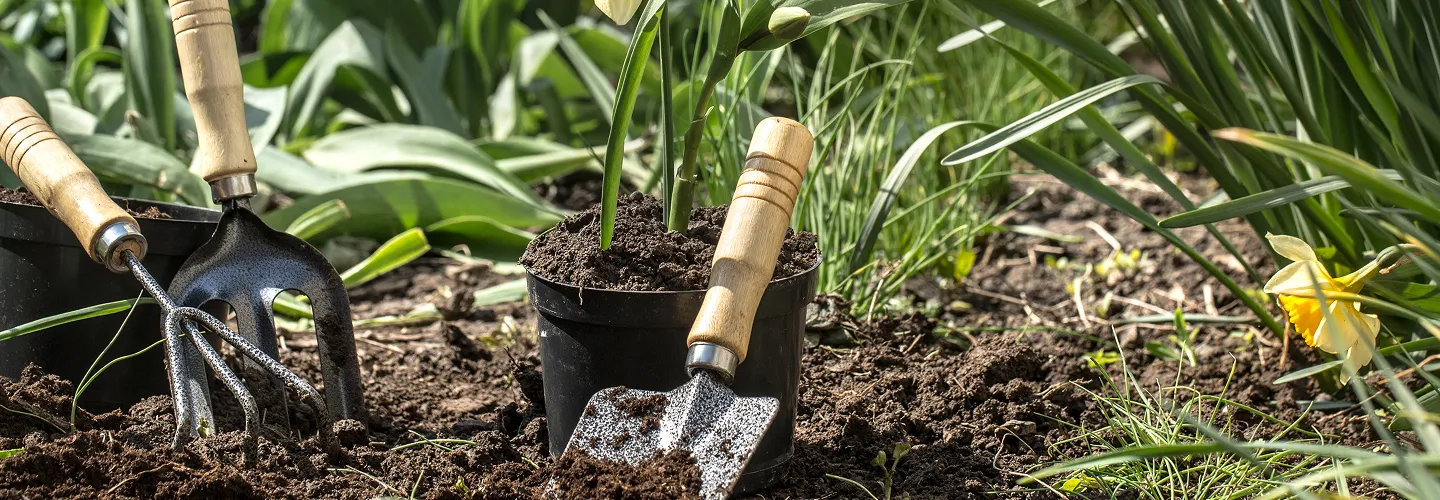
Heritage Bay Flower Planting Services
Choose our flower planting services for vibrant, expertly arranged blooms that enhance your curb appeal and thrive in our local climate—bringing lasting beauty to your home or business.
Get a Free QuoteOur Heritage Bay Landscaping & Yard Care Services
When to Schedule Flower Planting in Heritage Bay, Florida – Seasonal Guide
In Heritage Bay, Florida, timing your flower planting is crucial for vibrant, long-lasting blooms. The region’s subtropical climate means that the best planting windows are typically in early spring and late fall, when temperatures are moderate and rainfall is more predictable. Local neighborhoods like The Club at Heritage Bay and areas near Immokalee Road benefit from these seasonal patterns, as the risk of frost is minimal and the soil remains workable. However, it’s important to consider the area’s high humidity and occasional drought periods, which can impact both soil moisture and plant health.
When planning your flower beds, pay close attention to local environmental factors such as shade from mature palms, sandy or loamy soil types, and the proximity to water features or preserves. Heritage Bay’s landscape is shaped by both natural and planned elements, so understanding your property’s unique microclimate is key. For more information on local planting guidelines and municipal considerations, visit the official resource.
Local Factors to Consider for Flower Planting in Heritage Bay
- Tree density and shade coverage from established landscaping
- Soil composition (sandy, loamy, or clay)
- Seasonal precipitation and irrigation availability
- Proximity to preserves, lakes, or golf courses
- Municipal restrictions or HOA guidelines
- Risk of drought or excessive humidity
- Terrain and drainage patterns
Benefits of Flower Planting in Heritage Bay
Expert Landscaping Team
Customized Plant Selection
Enhanced Curb Appeal
Eco-Friendly Practices
Seasonal Color Planning
Reliable Maintenance Services
Heritage Bay Flower Planting Types

Annual Flower Beds
Seasonal color displays with vibrant annuals for dynamic landscaping.
-
Perennial Gardens
Long-lasting blooms that return year after year for sustainable beauty.
-
Native Plant Installations
Eco-friendly plantings using species adapted to the local environment.
-
Pollinator Gardens
Flower beds designed to attract bees, butterflies, and other pollinators.
-
Shade Garden Plantings
Specialized flower selections for areas with limited sunlight.
-
Container Flower Arrangements
Versatile and movable flower displays in decorative pots and planters.
-
Seasonal Bulb Plantings
Colorful spring and fall displays using tulips, daffodils, and other bulbs.
Our Flower Planting Process
Site Evaluation
Soil Preparation
Flower Selection
Planting
Watering and Mulching
Why Choose Heritage Bay Landscape Services
-
Heritage Bay Homeowners Trust Us
-
Expert Lawn Maintenance
-
Reliable Irrigation Solutions
-
Comprehensive Seasonal Cleanups
-
Competitive Pricing
-
Professional and Courteous Team
-
Satisfaction Guarantee
Coordinating Flower Planting Projects with Heritage Bay's Community District and County Offices
Heritage Bay is a master-planned community governed by its own Community Development District (CDD), which manages common-area landscaping, irrigation infrastructure, and stormwater systems throughout the development. Residents and property managers planning flower planting projects on individual lots should first confirm whether proposed plantings fall within CDD-maintained areas, homeowner-maintained zones, or shared buffer strips. The Heritage Bay CDD board sets landscape standards that may affect plant species selection, bed placement near retention ponds, and irrigation tap connections. For plantings that involve bed expansion near roadways, swales, or community entry features, coordination with both the CDD and Collier County's environmental landscaping division is advisable to ensure compliance with native vegetation and landscape buffer requirements.
- Verify whether your planting area falls under CDD or individual homeowner maintenance responsibility before beginning work
- Confirm irrigation connection points and reclaimed water availability through the district
- Review any community architectural or landscape review requirements before installing new flower beds
Heritage Bay Community Development District
Official Website: Heritage Bay Community Development District
Collier County Environmental Landscaping
Official Website: Collier County Environmental Landscaping
How Heritage Bay's Subtropical Climate and Sandy Soils Shape Flower Planting Success
Heritage Bay sits within USDA Hardiness Zone 10a in northern Collier County, placing it firmly in a Gulf Coast subtropical environment with intense summer heat, high humidity, and a pronounced wet season from June through October. These conditions directly determine which flowering species establish successfully and which fail within weeks of installation. The community's soils are predominantly sandy and fast-draining, characteristic of southwest Florida's coastal plain, which means nutrients leach rapidly below the root zone after heavy rainfall events. The high water table common across this part of Collier County can saturate lower bed areas during peak wet season, creating root-rot risk for species that require well-drained conditions.
- Summer soil surface temperatures can exceed 130°F on exposed sandy beds without mulch cover, stressing transplants and drying root zones within hours
- Humidity-driven fungal pressure from cercospora, powdery mildew, and botrytis affects many popular annuals during the wet season
- Salt exposure is minimal in Heritage Bay compared to direct coastal properties, but irrigation water quality should still be verified, especially where reclaimed water is used
- Nutrient leaching through sandy soils means slow-release fertilizer formulations are strongly preferred over quick-release granular products to protect nearby retention ponds and swales
The USDA Plant Hardiness Zone Map confirms Heritage Bay's placement in Zone 10a, guiding species selection toward tropical and warm-subtropical flowering plants.
Navigating Collier County's Landscaping Regulations and Environmental Standards for Flower Planting
Collier County's Land Development Code includes provisions for landscaping that affect flower planting in several practical ways, particularly for properties adjacent to preserves, retention areas, or community buffer zones. The county's environmental landscaping requirements encourage the use of native and Florida-Friendly plant species, and properties within planned unit developments like Heritage Bay may face additional landscape plan restrictions established during the original development approval. Residents should verify current requirements through Collier County's planning and zoning resources before modifying existing landscape beds or installing new planting areas that alter drainage patterns or impervious surface ratios.
- Any flower planting that involves soil grading, bed construction near stormwater infrastructure, or changes to drainage flow should be reviewed against Collier County's pollution control standards to prevent sediment or nutrient discharge into retention systems
- Fertilizer applications associated with flower planting must comply with Florida Statutes §403.9337, which establishes the framework for Florida-Friendly fertilizer use on urban landscapes, including blackout periods and application setbacks near water bodies
- Pesticide treatments for flower bed pest or disease management require proper licensing through the Florida Department of Agriculture and Consumer Services when performed commercially
- The UF/IFAS guidance on protecting Florida's water resources provides detailed recommendations for preventing fertilizer and soil runoff from planting beds into nearby waterways
Collier County Planning and Zoning Resources
Official Website: Collier County Planning and Zoning Resources
Timing Flower Planting Around Heritage Bay's Wet Season and Summer Heat Cycles
Professional flower planting in Heritage Bay follows two primary installation windows that align with the region's climate patterns. The optimal cool-season window runs from late October through early March, when temperatures moderate, rainfall decreases, and transplant stress is significantly reduced. This period favors annuals such as petunias, impatiens, snapdragons, and pentas, which establish root systems before summer heat arrives. A secondary warm-season window in late April through early June allows installation of heat-tolerant species like lantana, portulaca, firebush, and blanket flower before the heaviest rains begin, though irrigation management becomes critical during this period.
- Prepare beds by amending sandy native soil with organic matter to improve moisture retention and nutrient-holding capacity; a two-to-three-inch layer of composted material worked into the top six to eight inches of soil is standard professional practice
- Apply two to three inches of mulch around transplants immediately after planting to moderate soil temperature, reduce moisture loss, and suppress weed germination
- Schedule irrigation to deliver water in early morning hours, reducing foliar disease pressure from overnight moisture and complying with EPA WaterSense outdoor efficiency principles
- Avoid planting during peak wet-season months of July through September when daily heavy rainfall, saturated soils, and extreme humidity create the highest transplant failure rates
- Group plants by water need using hydrozoning principles so that drought-tolerant species are not overwatered alongside moisture-loving varieties
What Neighborhoods Do We Serve Throughout Heritage Bay, FL?
- Heritage Bay Golf and Country Club Estates — Properties along the golf course feature irrigated beds with full sun exposure and sandy fill soils that require consistent soil amendment for successful flower establishment near fairway buffers and cart path edges.
- Terrace at Heritage Bay — These attached-home properties typically have smaller planting areas with shared irrigation zones, requiring coordination with the CDD on bed modifications near common landscape areas.
- Veranda at Heritage Bay — Coach-home neighborhoods with courtyard-style entries where flower planting focuses on container-friendly and shade-tolerant species beneath covered walkways and building overhangs.
- Manor at Heritage Bay — Single-family homes with larger lot footprints that allow for expanded flower bed installations, though proximity to retention ponds and preserve buffers requires attention to setback and runoff management.
- Terrace Condominiums — Multi-story residences where ground-level planting areas are often CDD-maintained, and individual flower planting may be limited to approved container gardens on patios and lanais.