
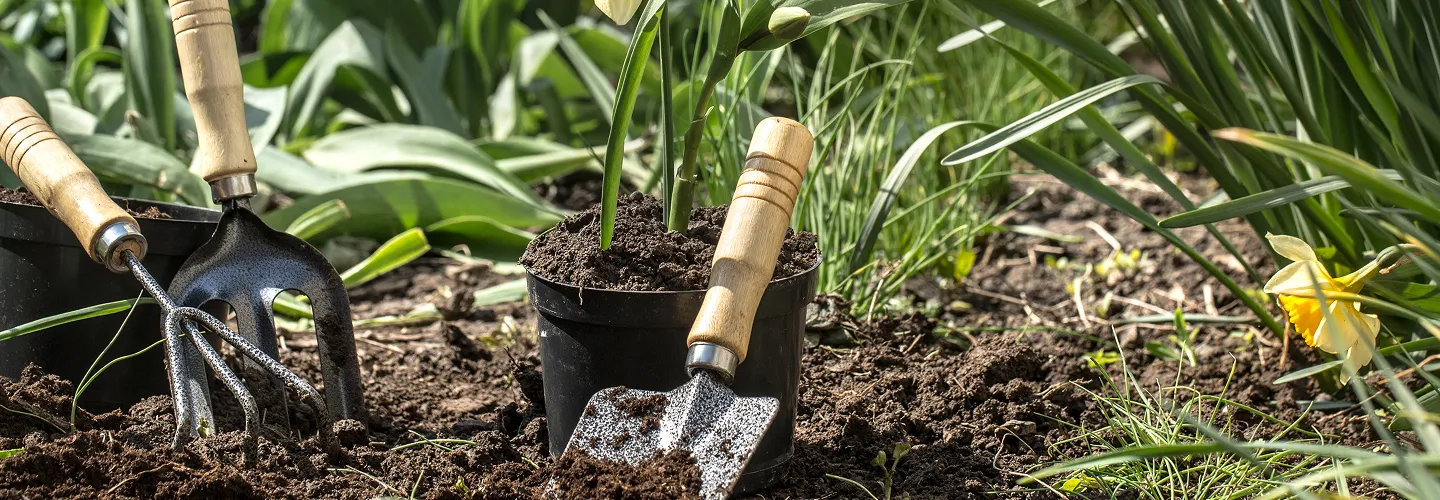
Heritage Bay Weeding Services
Choose our professional weeding services for a healthier, more beautiful landscape—our experienced team removes unwanted growth efficiently, ensuring your plants thrive and your outdoor spaces stay immaculate all season long.
Get a Free QuoteOur Heritage Bay Landscaping & Yard Care Services
When to Schedule Weeding in Heritage Bay, Florida – Seasonal Guide
In Heritage Bay, Florida, the timing of weeding is crucial for maintaining healthy, attractive landscapes throughout the year. Thanks to our subtropical climate, weeds can thrive nearly year-round, but the most effective weeding schedules are tailored to local weather patterns and the unique characteristics of neighborhoods like The Club at Heritage Bay or the areas surrounding Immokalee Road. Early spring and late fall are generally optimal for weeding, as these periods align with the region’s moderate temperatures and lower humidity, reducing stress on both plants and soil.
Local environmental factors play a significant role in determining the best times for weeding. For example, Heritage Bay’s sandy soils drain quickly, which can encourage weed growth after heavy rains but also make manual removal easier. The risk of frost is minimal, but summer’s high humidity and frequent afternoon storms can accelerate weed spread, especially in shaded areas or near water features. Homeowners should also be aware of any municipal guidelines that may affect landscaping practices in their community.
Local Factors to Consider for Weeding in Heritage Bay
- Tree density and shade coverage, especially near preserves or golf course edges
- Soil type (sandy vs. loamy) and drainage patterns
- Seasonal precipitation and risk of drought
- Proximity to water features or retention ponds
- Neighborhood-specific landscaping restrictions or HOA guidelines
- Terrain variations, such as sloped yards or low-lying areas
Benefits of Weeding in Heritage Bay
Enhanced Curb Appeal
Healthier Plant Growth
Reduced Pest Infestation
Improved Soil Quality
Professional and Reliable Service
Time and Effort Savings
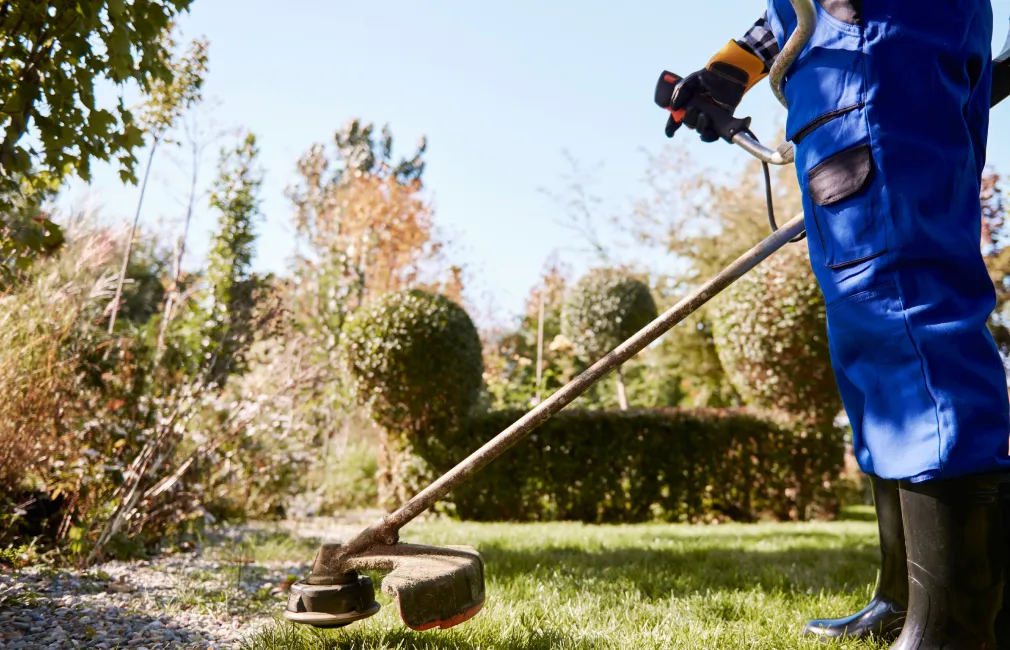
Heritage Bay Weeding Types

Hand Weeding
-
Mechanical Weeding
-
Mulching for Weed Control
-
Pre-Emergent Herbicide Application
-
Post-Emergent Herbicide Application
-
Flame Weeding
-
Soil Solarization
Our Weeding Process
Site Evaluation
Weed Identification
Manual Removal
Soil Cultivation
Preventative Measures
Why Choose Heritage Bay Landscape Services
-
Heritage Bay Homeowners Trust Us
-
Expert Lawn Maintenance
-
Reliable Irrigation Solutions
-
Comprehensive Seasonal Cleanups
-
Competitive Pricing
-
Professional and Courteous Team
-
Satisfaction Guarantee
Coordinating Weeding Services with Heritage Bay's Community Development District
Heritage Bay is a master-planned community governed by its own Community Development District (CDD), which oversees common-area landscaping, stormwater infrastructure, and community maintenance standards. Residents and property managers planning weeding activities on individual lots should be aware that the CDD maintains specific landscape expectations for areas visible from roadways, shared amenities, and lake or preserve buffers. Before initiating large-scale bed weeding or applying any chemical weed-control products near community stormwater features, property owners should verify current district guidelines through the CDD office. Collier County's environmental landscaping standards also apply to vegetation management within Heritage Bay, particularly where beds adjoin native vegetation preservation areas or drainage easements.
- Confirm whether your lot borders a CDD-maintained buffer, lake edge, or preserve before weeding adjacent beds
- Coordinate vegetative debris disposal with Collier County's yard waste collection schedule rather than depositing pulled weeds near swales or storm inlets
- Review any HOA architectural or landscape committee requirements that may govern bed appearance and plant selection
Heritage Bay Community Development District
Official Website: Heritage Bay Community Development District
Collier County Environmental Landscaping
Official Website: Collier County Environmental Landscaping
How Heritage Bay's Subtropical Climate and Sandy Soils Drive Weed Pressure
Heritage Bay sits within the Gulf Coast Florida / South Florida subtropical zone, classified in USDA Hardiness Zone 10a, where year-round warmth and high humidity create conditions that sustain aggressive weed growth across nearly every month. The community's soils are predominantly sandy and low in organic matter, which allows rapid nutrient leaching and creates open niches that opportunistic weeds exploit quickly after rainfall. Several site-specific factors intensify weed pressure in Heritage Bay:
- High water table and flat terrain: Standing moisture in low-lying bed areas encourages sedge species and moisture-loving broadleaf weeds that resist hand pulling once established
- Intense wet-season rainfall: From June through October, frequent afternoon storms trigger rapid weed flushes in mulched beds, along bed edges, and in turf-to-bed transition zones
- Sandy fill soils in subdivisions: Many Heritage Bay lots were graded with fill material that compacts unevenly, creating micro-depressions where weed seeds accumulate and germinate after irrigation or rain
- Reflected heat from driveways and walkways: Hardscape edges warm adjacent soil, accelerating germination of warm-season weeds such as spurge, chamberbitter, and Florida pusley along bed perimeters
Understanding these conditions helps property managers time weeding interventions before weed populations set seed and spread into adjacent turf or ornamental plantings.
Regulatory Requirements for Weed Control Practices in Heritage Bay
Any weeding program that involves herbicide application in Heritage Bay must comply with Florida's pesticide regulations. Under Florida Statutes Chapter 487, commercial applicators performing weed control for hire must hold valid certification through the Florida Department of Agriculture and Consumer Services (FDACS) pesticide licensing program. Property owners applying herbicides on their own residential lots are not required to hold a commercial license but must follow all label directions, which carry the force of law in Florida.
- Pre-emergent and post-emergent herbicides must not be applied when rain is imminent or when runoff could reach Heritage Bay's lakes, retention ponds, or stormwater conveyances
- Collier County's Pollution Control section addresses environmental protection measures related to chemical discharge and stormwater contamination
- The Florida DEP NPDES Stormwater Program governs municipal stormwater discharge permits, and herbicide runoff entering the community's interconnected lake and canal system may constitute a compliance concern
- Drift from spray applications near preserve edges, wetland buffers, or CDD-maintained native plantings can damage protected vegetation and may trigger code enforcement review
Collier County Pollution Control
Official Website: Collier County Pollution Control
Timing Weeding Around Heritage Bay's Wet Season and Seasonal Growth Cycles
Effective weeding in Heritage Bay requires alignment with the community's distinct wet and dry seasons rather than a fixed calendar schedule. Professional standards for subtropical Florida weeding emphasize intervention timing relative to weed life cycles and rainfall patterns:
- Pre-emergent applications should be placed in early spring (late February through March) before summer annual weeds germinate, and again in early fall (September through October) to suppress cool-season annuals; verify product compatibility with nearby ornamental species before application
- Hand weeding and mechanical removal are most productive when performed within 48–72 hours after significant rainfall, when saturated sandy soils release root systems more completely
- Post-emergent spot treatments should target actively growing weeds during dry intervals to maximize uptake and minimize runoff risk; avoid application during midday heat above 90°F, which can volatilize certain herbicide formulations
- Mulch replenishment after weeding sessions helps suppress the next germination cycle; maintain organic mulch at approximately two to three inches in ornamental beds, keeping mulch pulled back from plant stems and tree trunks
- Bed-edge maintenance along turf borders, walkways, and driveways should occur on a regular cycle to prevent stoloniferous turf grasses like St. Augustinegrass from creeping into ornamental beds
UF/IFAS Gardening Solutions provides regionally calibrated guidance on integrated weed management practices suited to South Florida landscapes. Pulled weeds should be bagged and disposed of through Collier County's yard waste collection rather than composted on-site if seed heads are present.
What Neighborhoods Do We Serve Throughout Heritage Bay, FL?
- Heritage Bay Golf and Country Club Estates: Properties along the golf course feature expansive ornamental beds and turf borders where bed-edge weed encroachment requires consistent management, particularly near irrigated fairway margins
- Terrace at Heritage Bay: Attached-home lots with compact landscaped areas where mulched beds along shared walkways and entry plantings accumulate weed pressure from foot-traffic seed dispersal and irrigation overspray
- Osprey Cove: Lake-adjacent homesites where moisture from the high water table and proximity to retention areas promotes sedge and broadleaf weed growth in beds nearest the shoreline buffer
- Heron Bay: Single-family lots with mature ornamental plantings and established tree canopy that create shaded bed conditions favoring shade-tolerant weeds such as artillery fern and dollarweed
- Coral Falls: Properties with south-facing bed exposures along driveways and entry courts where reflected heat accelerates warm-season weed germination along hardscape edges