
Heritage Bay Pruning Services
Choose our professional pruning services to enhance your landscape’s beauty, promote healthy growth, and ensure the safety of your property—all delivered with unmatched expertise and attention to detail.
Get a Free QuoteOur Heritage Bay Landscaping & Yard Care Services
When to Schedule Pruning in Heritage Bay, Florida – Seasonal Guide
In Heritage Bay, Florida, the best times to schedule pruning are shaped by our unique subtropical climate and the specific needs of local landscapes. Typically, late winter through early spring is ideal, as this period allows trees and shrubs to recover before the intense summer heat arrives. Pruning during these months also helps minimize the risk of disease and pest infestations, which can be more prevalent during the humid summer season.
Local environmental factors play a significant role in determining the optimal pruning schedule. For example, neighborhoods near the Heritage Bay Golf & Country Club or along Immokalee Road may experience varying degrees of shade coverage and soil moisture, impacting plant growth cycles. It's important to consider the last frost date—usually in late January—as well as the potential for drought conditions in spring. For more information on local climate patterns and municipal guidelines, visit the official Heritage Bay resource.
Local Factors to Consider for Pruning in Heritage Bay
- Tree and shrub density in your yard
- Soil type and drainage, especially in areas near the preserves
- Annual precipitation and humidity levels
- Shade coverage from mature oaks and palms
- Municipal restrictions or HOA guidelines
- Proximity to landmarks like the Heritage Bay Clubhouse or local lakes
Benefits of Pruning in Heritage Bay
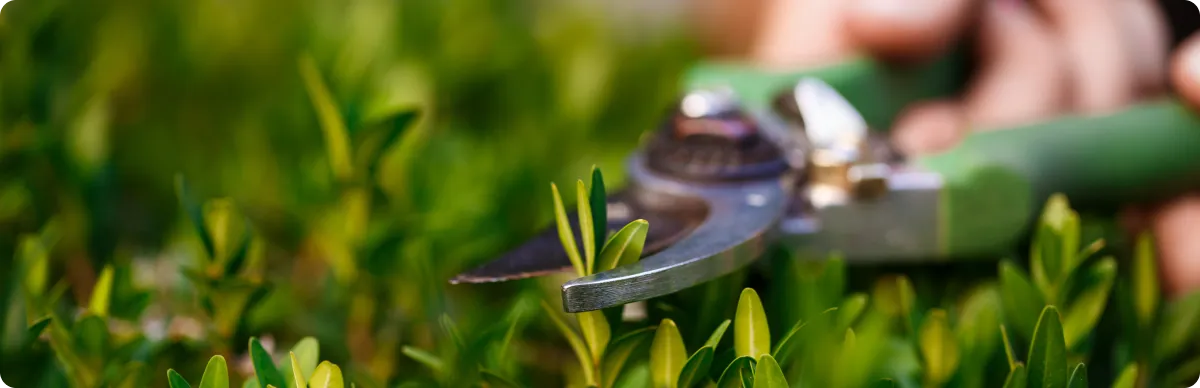
Enhanced Plant Health
Improved Curb Appeal
Increased Sunlight Exposure
Disease Prevention
Professional Expertise
Customized Pruning Solutions
Heritage Bay Pruning Types

Crown Thinning
-
Crown Reduction
-
Crown Raising
-
Deadwooding
-
Formative Pruning
-
Pollarding
-
Hedge Trimming
Our Pruning Process
Site Evaluation
Plant Selection
Strategic Cutting
Debris Removal
Why Choose Heritage Bay Landscape Services
-
Heritage Bay Homeowners Trust Us
-
Expert Lawn Maintenance
-
Reliable Irrigation Solutions
-
Comprehensive Seasonal Cleanups
-
Competitive Pricing
-
Professional and Courteous Team
-
Satisfaction Guarantee
Coordinating Pruning Services Through Heritage Bay's Community District and Collier County
Heritage Bay operates under a Community Development District (CDD) that oversees common-area landscaping, stormwater infrastructure, and community standards. Residents and property managers planning pruning work on individual lots should first verify whether the CDD maintains authority over specific trees or shrubs within shared buffers, roadway medians, or preserve-edge plantings. Pruning debris generated on private property must be managed in accordance with Collier County's vegetative waste collection guidelines; branches and cuttings should be bundled or contained separately from household refuse. Property owners adjacent to community lakes, retention ponds, or canal easements should coordinate with the CDD before pruning vegetation that may serve as a stormwater buffer or erosion control feature.
- Confirm whether trees or hedges fall under CDD common-area maintenance before scheduling private pruning
- Keep all pruning debris away from storm drains, swales, canal banks, and retention pond edges
- Verify current Collier County curbside vegetative waste pickup requirements before placing debris at the curb
Heritage Bay Community Development District
Official Website: Heritage Bay Community Development District
Collier County Parks and Recreation
Official Website: Collier County Parks and Recreation
How Heritage Bay's Subtropical Climate and Sandy Soils Shape Pruning Needs
Heritage Bay sits within USDA Hardiness Zone 10a in northern Collier County, classified as a Gulf Coast Florida / South Florida subtropical environment. This context produces year-round growing conditions for many ornamental trees and shrubs, meaning pruning demands are not confined to a single dormant season. Several environmental factors directly influence pruning timing and technique in this community:
- High humidity and rainfall intensity: Heritage Bay receives approximately 50–60 inches of annual rainfall, concentrated heavily from June through October. Rapid canopy growth during the wet season can obstruct sightlines, crowd structures, and increase wind-sail risk during tropical storms. Pruning cuts made during peak humidity are more susceptible to fungal colonization, particularly on species like live oak and black olive.
- Sandy, low-nutrient soils: The predominantly sandy soil profiles common in Collier County subdivisions drain quickly but offer limited structural root anchorage. Improper pruning that removes excessive canopy weight unevenly can destabilize trees already growing in loose substrate, as noted in UF/IFAS Gardening Solutions guidance on protecting Florida's water and landscape resources.
- High water table and drainage sensitivity: Many Heritage Bay lots border retention ponds, lakes, or engineered swales. Root zones near these features interact with elevated water tables, and aggressive pruning that stresses trees in saturated soils can accelerate decline.
- Salt exposure: While Heritage Bay is not directly coastal, periodic salt-laden wind events from the Gulf can stress foliage on exposed canopy edges, sometimes necessitating selective removal of damaged growth.
Navigating Collier County's Landscaping Regulations and Permits for Pruning Work
Collier County's Land Development Code includes provisions governing vegetation removal and alteration, particularly for properties adjacent to preserves, wetlands, or designated native vegetation retention areas. While routine maintenance pruning of ornamental trees and shrubs on private residential lots does not typically require a county permit, property owners should verify current requirements through Collier County's environmental landscaping division before undertaking significant canopy reduction or removing large limbs from protected species. The county's environmental landscaping standards address native vegetation preservation, and pruning that materially alters a required landscape buffer or preserve-edge planting may trigger review.
- Pruning within or adjacent to designated preserve areas may require coordination with Collier County Environmental Landscaping
- Contractors applying any pesticide or fungicide to pruning wounds must hold valid credentials through the FDACS Pesticide Applicator Certification and Licensing program
- Debris from pruning operations must not enter stormwater conveyance systems; the Florida DEP NPDES Stormwater Program establishes discharge prevention standards applicable to Collier County's MS4 permit obligations
- Verify any tree-size thresholds or species-specific protections with the county before removing major limbs
Collier County Environmental Landscaping
Official Website: Collier County Environmental Landscaping
Timing and Technique Standards for Pruning in Heritage Bay's Storm-Prone Environment
Professional pruning in Heritage Bay should account for the community's storm exposure, subtropical growth rates, and species diversity. Structural pruning—removing crossing branches, co-dominant stems, and deadwood—is most effectively performed during the late dry season (February through May), when reduced humidity lowers fungal infection risk and trees can compartmentalize wounds before the wet season's rapid growth phase. Storm-preparation pruning, focused on reducing wind-sail area and eliminating weak attachments, should be completed before June.
- Structural cuts: Use reduction cuts and removal cuts per ANSI A300 pruning standards; avoid flush cuts and topping, which create decay entry points and stimulate weak regrowth
- Palms: Remove only fully dead or broken fronds; over-pruning live fronds ("hurricane cutting") weakens palms and is discouraged by UF/IFAS extension guidance
- Flowering species: Prune spring-flowering shrubs such as bougainvillea and ixora after bloom cycles to avoid removing developing flower buds
- Sanitation: Disinfect cutting tools between trees when working with species susceptible to bacterial or fungal pathogens, particularly during wet-season operations
- Canopy clearance: Maintain adequate vertical clearance over sidewalks, driveways, and roadways; verify current Collier County right-of-way clearance expectations through the county's transportation management division
Residents can consult the Florida County Forester Directory for species-specific guidance and forestry assistance relevant to Collier County.
What Neighborhoods Do We Serve Throughout Heritage Bay, FL?
- Heritage Bay Golf and Country Club: Mature ornamental plantings and specimen palms along fairway-adjacent lots require regular structural pruning to maintain sightlines and manage canopy weight near cart paths and residences.
- Terrace at Heritage Bay: Attached-home configurations with shared landscape buffers benefit from coordinated pruning schedules that maintain uniform hedge heights and preserve privacy screening between units.
- Heron Bay at Heritage Bay: Lakefront lots in this area demand careful pruning of shoreline vegetation to preserve stormwater buffer function while managing canopy overhang above water edges.
- Osprey Cove: Properties bordering preserve areas require attention to native vegetation setback requirements, and pruning near preserve edges should be confirmed with the CDD before work begins.
- Coral Falls: Interior lots with dense ornamental plantings and limited airflow benefit from selective thinning cuts that reduce humidity-driven fungal pressure on shrubs and understory trees.